Doctor of Naturopathy
A Doctor of Naturopathy (ND / NMD) program is a specialized medical education track that blends modern biomedical sciences with traditional, drugless, and holistic healing systems.
Overview
The standard, comprehensive course overview details the core pillars of the curriculum:
1. Foundational Biomedical Sciences
To safely diagnose and differentiate health conditions, students undergo extensive training in modern medical sciences equivalent to conventional medical programs:
- Anatomy & Physiology: In-depth study of human structures, systems, and biological functions.
- Pathology & Microbiology: Understanding the mechanisms of diseases, cellular changes, and infectious agents.
- Biochemistry & Pharmacology: Analyzing metabolic pathways and drug-herb interactions to ensure patient safety.
- Clinical & Laboratory Diagnosis: Learning to read blood panels, conduct physical exams, and interpret diagnostic imaging.
2. Core Naturopathic Modalities
Students master drugless therapeutics designed to support the body’s innate ability to heal itself:
- Clinical Nutrition: Designing therapeutic diets, food-as-medicine programs, and targeted supplementation protocols.
- Botanical/Herbal Medicine: Phytotherapy principles, identifying medicinal plants, formulation, and making safe herbal remedies.
- Hydrotherapy & Mud Therapy: Utilizing different temperatures and mineral-rich elements to stimulate immune response and blood circulation.
- Mind-Body Medicine & Lifestyle Counseling: Stress reduction techniques, clinical psychology, sleep optimization, and behavioral changes.
- Manipulative Physical Therapies: Massage, reflexology, and basic structural alignments to alleviate chronic pain.
3. Complementary Specializations
Depending on the institution or regional regulations, curricula frequently incorporate broader alternative medical disciplines:
- Acupuncture & Acupressure: Concepts of energy medicine, meridian pathways, and pain management.
- Yoga Therapy: Utilizing yogic sciences, postures (Asanas), and breathing techniques (Pranayama) for chronic illness management.
- Homeopathy: Introduction to low-dose natural remedies and constitutional prescribing.
4. Clinical Training & Research
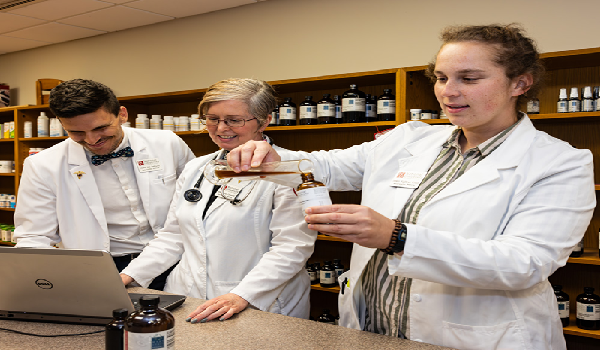
- Hands-on Rotations: Extensive, supervisor-led clinic hours (often 400 to 1,200+ hours depending on the country) managing acute and chronic patient cases.
- Research Methodology: Training in evidence-based practice, analyzing clinical trials, and completing a dissertation or research thesis.
- Emergency Medicine: Mastering medical first aid, public health protocols, and knowing when to safely refer a patient to conventional hospitals.