DIPLOMA IN MEDICINAL HERBALISM
A Diploma in Medicinal Herbalism (or Herbal Medicine System) is a specialized academic program designed to bridge traditional botanical knowledge with modern natural health applications. The course provides a foundational overview of the physical, chemical, and therapeutic properties of medicinal plants to equip students with safe, alternative healthcare skills.
Overview
📚 Core Curriculum & Syllabus
The exact curriculum varies by country and institution, but standard foundational programs generally incorporate the following modules:
- Botany and Plant Identification: Learning binomial nomenclature, plant morphology, foraging, and distinguishing medicinal parts like roots, stems, leaves, and fruits.
- Materia Medica: Extensive study of specific therapeutic profiles, energetics, history, and historical uses of over 100 core herbs.
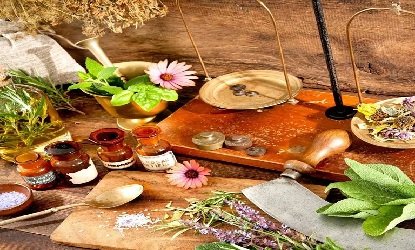
- Herbal Pharmacy & Formulation: Practical training in creating safe herbal preparations, including infusions, decoctions, tinctures, poultices, oils, and balms.
- Pharmacognosy & Phytochemistry: Exploring the active chemical compounds of crude drugs and understanding their biochemical reactions inside the body.
- Traditional Medicine Frameworks: Overviews of core historical lineages including Western Herbalism, Ayurveda, Traditional Chinese Medicine (TCM), Unani, and Siddha systems.
- Safety, Contraindications & Toxicology: Essential guidelines on proper dosages, side effects, quality control, and potential herb-drug interactions.
- Anatomy and Physiology: Introductory understanding of human body systems and holistic nutrition to contextualize how herbs impact physical wellness.
💼 Career Opportunities
Graduating with a diploma paths out diverse, non-clinical and wellness-centric careers:
- Herbal Consultant: Assisting clients in non-regulated settings regarding wellness plans, lifestyle adaptations, and botanical supplements.
- Herbal Product Developer: Formulating natural skincare, organic cosmetics, teas, and wellness products for the retail market.
- Cultivation & Sourcing: Managing small-scale herbal gardens, farming, harvesting, or operating wild foraging initiatives.
- Industry Compliance & Quality Assurance: Working within regulatory frameworks for manufacturers or raw material stockists to standardize herbal products.
- Retail & Entrepreneurship: Launching independent wellness shops, holistic e-commerce brands, or managing community health hubs.