Bachelor of Medicinal Herbalism
A Bachelor of Medicinal Herbalism—often conferred as a Bachelor of Health Science (Western Herbal Medicine) or Bachelor of Clinical Herbalism—is a 4-year undergraduate program that bridges traditional holistic healing with modern medical science.The curriculum trains students to identify, formulate, and safely prescribe plant-based remedies while understanding human anatomy and pharmacology.
Overview
📋 Core Program Structure
The degree generally spans three core pillars across its duration:
1. Biomedical & Health Sciences
Before prescribing herbs, students build a rigorous foundation in conventional human medical biology:
- Anatomy and Physiology: Detailed study of human organ systems, tissues, and cellular functions.
- Pathophysiology: Understanding how diseases develop and alter normal bodily functions.
- Biochemistry: The chemical processes occurring within living organisms.
2. Herbal & Phytotherapeutic Sciences
Students dive deep into the specific mechanics, history, and applications of medicinal plants:
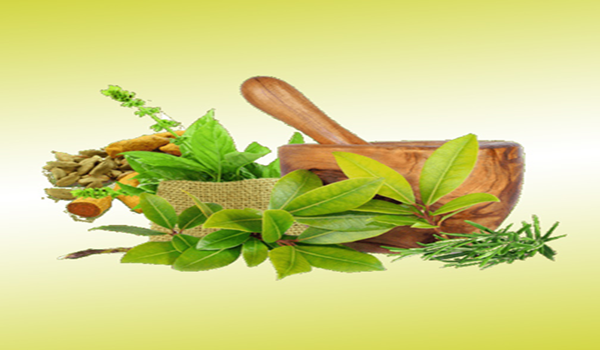
- Botany & Plant Identification: Learning to accurately identify, cultivate, harvest, and dry healing plants.
- Pharmacognosy & Phytochemistry: Studying the biochemical active ingredients inside plants and how they interact with human biology.
- Herbal Formulation: Hands-on training to manufacture tinctures, teas, essential oils, salves, and capsules.
- Pharmacology & Toxicology: Understanding drug-herb interactions, contraindications, and dosage safety.
3. Clinical Practice & Assessment
Programs place a heavy emphasis on client-facing clinical skills to prepare students for real-world practice:
💼 Career Opportunities
Graduates are equipped with the specialized knowledge to enter multiple sectors of the wellness industry:
- Clinical Herbalist: Operating a private practice or working in multidisciplinary health clinics.
- Product Development: Formulating new natural health products, supplements, and cosmetics for manufacturing brands.
- Quality Control & Sourcing: Working with raw agricultural botanicals to ensure standard purity and legal compliance.
- Wellness Consultant: Providing corporate health advising or specialized retail consultation.