
Bachelor of Colour Therapy
A Bachelor of Colour Therapy (also known as Chromotherapy) is an undergraduate alternative medicine program focused on using the visible spectrum of light and color to balance bodily energy, alleviate stress, and improve holistic health
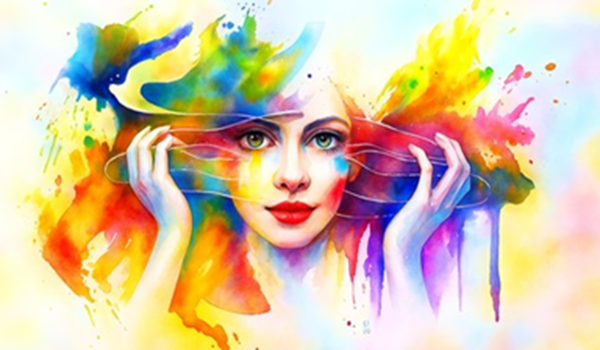
Overview
📚 Core Curriculum & Syllabus
The curriculum transitions from basic physics to complex alternative medicine practices.
- Foundations & Theory: Light physics, electromagnetic spectrum, history of chromotherapy, and color symbolism.
- Color Psychology: How specific hues dynamically alter human moods, behavior, stress markers, and mental health.
- Energy Systems: Mapping colors to the human aura, meridian lines, and the chakra system.
- Therapeutic Application: Administering colored light, solarized water, colored silks, and specialized lightboxes.
- Client Assessments: Techniques to safely evaluate a client's emotional and physical state without overstimulation.
- Environmental Design: Structuring interior spaces, spa rooms, and lifestyle environments using strategic color theory.
🛠️ Practical & Clinical Skills
Students gain technical and operational competencies tailored for holistic health spaces:
- Device Operations: Using hardware like lux meters, spectrophotometers, and specialized color lamps.
- Holistic Integration: Combining color applications smoothly with acupressure, aromatherapy, or sound healing.
- Research Methods: Designing small-scale clinical studies to evaluate biological and emotional responses to color.
💼 Career Outcomes & Industries
Graduates generally step into consulting and wellness roles rather than traditional clinical medicine.
- Color Therapist: Designing custom, targeted visualization and light protocols for individual clients.
- Holistic Wellness Coach: Guiding lifestyle choices, clothing selection, and diet based on personal energy fields.
- Spa & Wellness Center Consultant: Designing soothing color-centric sensory environments for luxury hospitality spaces.
- Interior & Fashion Design Consultant: Helping corporate and residential clients select color palettes to optimize productivity or relaxation.